
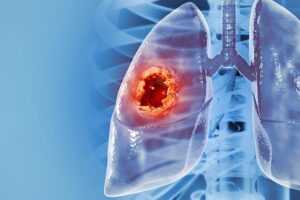
Lung cancer is one of the deadliest forms of cancer worldwide. According to the World Health Organization (WHO), it causes about 1.8 million deaths every year, making it the number one cause of cancer-related deaths globally. Doctors usually treat lung cancer with methods like chemotherapy, radiation, and surgery. But many people also look into natural remedies and alternative treatments to feel better and support their recovery.
So, what does science say about these natural options? Can they cure lung cancer, or do they just help with symptoms and side effects? This article will explore some of the most popular natural remedies for lung cancer. We’ll look at what research and experts say about them. Whether you’re interested in using natural methods alongside medical treatment or just want to learn more about holistic health, this guide will give you clear and helpful information.
Understanding Lung Cancer First
The uncontrolled growth of abnormal cells in the lungs leads to lung cancer. The two main types are:
- Non-Small Cell Lung Cancer (NSCLC): The most common, accounting for 80-85% of cases.
- Small Cell Lung Cancer (SCLC): More aggressive and spreads faster.
Common causes include smoking, exposure to radon gas, air pollution, and genetic factors. Traditional treatment includes surgery, chemotherapy, radiation therapy, targeted drug therapy, and immunotherapy. However, these options can come with side effects, prompting some patients to explore natural therapies alongside medical care.
Can Lung Cancer Be Cured Naturally?
Before diving into natural treatments, it’s important to understand that no natural cure has been proven to replace conventional cancer treatment. However, many natural remedies can help support the body during cancer treatment, reduce symptoms, and even improve outcomes when used complementarily.
Let’s look at what science says about the most commonly discussed natural options.
Why Look Into Natural Remedies?
Conventional treatments like chemotherapy and radiation can be life-saving but also come with significant side effects—fatigue, nausea, weight loss, immune suppression, and more.
Many patients seek natural remedies to:
- Support the immune system
- Reduce inflammation
- Improve quality of life
- Complement medical treatments
While no natural remedy can replace conventional cancer treatments, some may help support overall wellness and even enhance the effectiveness of standard care.
1. Curcumin (Turmeric) – Nature’s Anti-Inflammatory Agent
What science says: Curcumin, the active compound in turmeric, has powerful anti-inflammatory and antioxidant properties. Research suggests it may inhibit tumor growth and block the spread of cancer cells.
- A 2012 study in Cancer Letters found that curcumin inhibited lung cancer cell growth in vitro.
How it may help:
- Reduces oxidative stress
- Inhibits inflammation
- May enhance chemotherapy effects
How to use: Curcumin is often taken in capsules with piperine (black pepper extract) to boost absorption. Always consult your doctor first.
2. Green Tea – Rich in Cancer-Fighting Compounds
What science says: Green tea contains epigallocatechin-3-gallate (EGCG), a potent antioxidant. Studies have shown that EGCG can inhibit lung tumor growth and induce apoptosis (cell death) in cancer cells.
A study concluded that green tea consumption was associated with a reduced risk of lung cancer, particularly in Asian populations. Laboratory studies have shown EGCG suppresses angiogenesis (blood vessel growth that feeds tumors).
How it may help:
- Neutralizes free radicals
- May slow tumor growth
- Supports immune function
How to use: Drink 2–3 cups per day, preferably brewed fresh and not bottled. Avoid excessive caffeine intake.
3. Mushrooms (Reishi, Shiitake, Turkey Tail)
What science says: Medicinal mushrooms contain beta-glucans, polysaccharides known to enhance the immune system. Reishi and turkey tail mushrooms, in particular, have been studied for their anticancer potential.
A study in ISRN Oncology noted that turkey tail mushrooms improved immune response in cancer patients. Reishi (Ganoderma lucidum) has shown potential in reducing tumor size and boosting the effectiveness of chemotherapy.
How it may help:
- Stimulates natural killer (NK) cells
- Enhances immune surveillance
- It may reduce chemotherapy side effects
How to use: Often consumed in extract form or as a tea. Follow dosage instructions and consult a medical practitioner.
4. Frankincense (Boswellia serrata)
What science says: Boswellic acids in frankincense have shown anti-inflammatory and anti-proliferative effects in cancer cells. A 2009 study in BMC Complementary and Alternative Medicine showed frankincense oil could kill lung cancer cells in vitro. Animal studies suggest it may suppress tumor growth and prevent metastasis.
How it may help:
- Anti-inflammatory support
- May induce cancer cell death
- Could enhance lung function
How to use: Available in capsule form or essential oil (for aromatherapy). Not to be ingested unless prescribed.
5. Cannabis and CBD Oil
What science says: Cannabidiol (CBD) and tetrahydrocannabinol (THC) are compounds from cannabis with anti-cancer and anti-inflammatory potential.
A study in the British Journal of Pharmacology showed cannabinoids inhibit tumor angiogenesis. A 2014 paper in Oncotarget indicated that CBD can induce apoptosis in lung cancer cells and suppress metastasis.
How it may help:
- Pain and nausea relief
- Appetite stimulation
- Potential tumor inhibition
How to use: CBD oil is legal in many places and can be taken orally. THC may require a medical marijuana license depending on your location. Discuss with your oncologist.
6. Ginger – A Natural Anti-Nausea and Anti-Tumor Agent
What science says: Ginger is widely used to combat chemotherapy-induced nausea. It also contains gingerol, which has been shown to inhibit tumor growth.
A study found that ginger extract induced apoptosis in lung cancer cells. It also reduces oxidative damage and inflammation.
How it may help:
- Eases nausea from chemo
- Fights inflammation
- Potentially inhibits cancer cell growth
How to use: Fresh ginger tea or standardized ginger capsules (250–500 mg/day). Avoid excessive amounts to prevent heartburn.
7. Vitamin D – Supporting Immunity and Survival
What science says: Low vitamin D levels are linked to worse outcomes in lung cancer patients. A study showed that patients with high vitamin D intake had improved survival, especially those with early-stage NSCLC. Vitamin D plays a role in cell differentiation and immune modulation.
How it may help:
- Enhances immune response
- May slow cancer progression
- Supports bone health during treatment
How to use: Get sunlight (15–30 minutes/day) and consider a supplement (1,000–2,000 IU daily) with a healthcare provider’s advice.
8. Flaxseed – Rich in Lignans and Omega-3s
What science says: Flaxseeds contain lignans and alpha-linolenic acid (ALA), which may protect against cancer development.
A study found that dietary flaxseed decreased tumor size in mice with lung cancer. It may reduce inflammation and promote healthy cell signaling.
How it may help:
- Provides antioxidant protection
- Supports heart health during treatment
- May slow cancer growth
How to use: Add ground flaxseed (1–2 tablespoons/day) to smoothies, oatmeal, or yogurt. Avoid whole flaxseeds, which aren’t easily digested.
9. Garlic – A Traditional Cancer-Fighter
What science says: Garlic contains allicin and sulfur compounds with antitumor properties. A 2007 study in the American Journal of Clinical Nutrition found that high garlic intake was associated with a lower risk of lung cancer, especially in non-smokers. Allicin has been shown to inhibit tumor cell proliferation and angiogenesis.
How it may help:
- Boosts immune function
- Has antimicrobial and anticancer effects
- Helps detoxify carcinogens
How to use: Eat 1–2 raw cloves daily or use aged garlic extract supplements.
10. Exercise and Breathing Practices
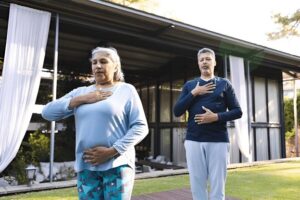
What science says: Physical activity and breathing exercises like yoga and qigong improve lung capacity, reduce fatigue, and may enhance treatment outcomes.
A 2020 study in Integrative Cancer Therapies found that qigong improved the quality of life and respiratory function in lung cancer patients. Regular physical activity has been associated with better survival rates.
How it may help:
- Improves oxygen flow
- Reduces anxiety and depression
- Enhances overall resilience
How to use: Gentle daily movement—walking, stretching, yoga, or tai chi. Always align with your physical capacity and doctor’s guidance.
Are Natural Remedies Safe?
Many natural remedies can be safe and beneficial when used properly and alongside medical care. However, some herbs or supplements may interfere with chemotherapy or radiation. Always consult your oncologist or an integrative physician before trying new supplements or natural approaches.
Conclusion
Lung cancer is a serious diagnosis—but it doesn’t mean hope is lost. Combining evidence-based medicine with natural, supportive approaches gives patients the best chance for healing and improved quality of life. If you or a loved one is battling lung cancer, talk to your doctor about integrating natural strategies safely. A holistic, personalized plan can empower you on your journey toward wellness.
Explore more resources on natural health, cancer care, and emotional well-being at the Marc Ferguson website—your trusted guide to personal transformation and healing through the gift of hope given by Marc’s Breath of God medical soundtrack.