
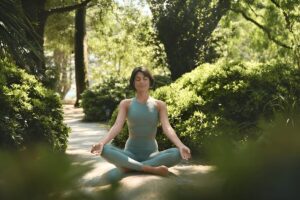
In today’s fast-moving world, anxiety and stress are common challenges. Whether it’s due to work, relationships, finances, or health, these emotions can take a serious toll on your mental and physical well-being. Fortunately, there are several natural ways to heal anxiety and stress—without the need for prescription medication. You can regain balance and feel more in control by making simple lifestyle changes and developing mindful habits.
This article will explore natural ways to heal anxiety and stress that you can start using today. These methods are based on research, easy to follow, and promote a healthier lifestyle.
What Are Anxiety and Stress?
Stress is the body’s natural reaction to a demand or challenge. Anxiety, in contrast, is your body’s natural reaction to stress. It involves feelings of fear, worry, or unease and can become overwhelming when it lingers for too long.
While occasional anxiety is normal, chronic anxiety can affect your ability to live a healthy, happy life. It may even develop into a diagnosable anxiety disorder such as:
- Generalized Anxiety Disorder (GAD)
- Social Anxiety Disorder
- Panic Disorder
- Obsessive-Compulsive Disorder (OCD)
- Post-Traumatic Stress Disorder (PTSD)
- Phobias
Thankfully, you don’t always need medication to feel better. Let’s look at natural remedies for anxiety and stress that are simple, safe, and effective.
1. Get Quality Sleep Every Night
Lack of sleep is one of the most common triggers for stress and anxiety. Your brain needs rest to process emotions, repair itself, and restore balance.
Tips to Improve Sleep Naturally:
- Stick to a regular sleep schedule
- Turn off screens an hour before bed
- Keep your bedroom dark and quiet
- Avoid caffeine or heavy meals before sleeping
- Try relaxing music or sleep stories
- Write your thoughts down to clear your mind
Studies suggest that getting at least 7-8 hours of quality sleep each night can significantly improve mood, focus, and anxiety levels.
2. Limit Caffeine and Alcohol Intake
Caffeine and alcohol may feel like quick fixes when you’re feeling down, but they can actually increase anxiety and disrupt your sleep.
Caffeine stimulates your central nervous system and may cause jitters, restlessness, and panic attacks in some individuals.
Alcohol may initially calm you down, but it interferes with brain chemistry and sleep quality, worsening anxiety in the long run.
Try this instead:
- Switch to herbal teas like chamomile or peppermint
- Drink more water to stay hydrated
- Choose decaffeinated coffee or green tea
Reducing caffeine and alcohol can lead to more balanced energy and better emotional health.
3. Exercise Regularly
Exercise is a powerful tool for relieving stress and anxiety. It releases feel-good hormones like endorphins and helps regulate serotonin and dopamine, which influence mood and sleep.
A 2021 study found that people who exercised regularly had a 60% lower chance of developing anxiety symptoms over a 21-year period.
Easy ways to stay active:
- Go for a brisk 30-minute walk daily
- Try yoga or Pilates
- Join a dance, Zumba, or cycling class
- Use fitness apps at home
- Take the stairs, not the elevator
Physical activity doesn’t have to be intense—just moving your body regularly can make a big difference.
4. Practice Deep Breathing
When you’re anxious, you may breathe quickly and shallowly. This can increase your heart rate and make you feel more panicked.
Deep breathing techniques slow down your nervous system and signal your body to relax.
Try this simple breathing exercise:
- Sit or lie down comfortably.
- Inhale deeply through your nose for 4 seconds.
- Hold the breath for 4 seconds.
- Exhale slowly through your mouth for 6 seconds.
- Repeat for 5-10 minutes.
Do this when you wake up, before bed, or during moments of high stress.
5. Meditate and Practice Mindfulness
Meditation and mindfulness are among the most effective natural ways to reduce anxiety and manage stress. They help you stay in the present moment, recognize negative thought patterns, and approach life with more calmness.
Benefits of meditation include:
- Lower heart rate and blood pressure
- Better emotional control
- Reduced muscle tension
- Improved sleep quality
A study found that an 8-week mindfulness-based stress reduction (MBSR) program worked as well as antidepressants for some people with anxiety.
Apps to help you get started:
- Headspace
- Calm
- Insight Timer
- Smiling Mind
Start with just 5–10 minutes per day, and build from there.
6. Eat a Balanced, Nutrient-Dense Diet

What you eat directly affects how you feel. Low blood sugar, dehydration, and processed foods can increase anxiety and mood swings.
Natural mood-boosting foods include:
- Leafy greens (spinach, kale)
- Fatty fish (salmon, sardines)
- Whole grains (brown rice, oats)
- Fruits and berries
- Lean protein (chicken, tofu, beans)
- Nuts and seeds (especially walnuts and flaxseeds)
Also, avoid sugary snacks and junk food. Instead, focus on clean, whole foods and drink plenty of water throughout the day.
7. Quit Smoking and Nicotine Use
It might seem like a cigarette helps you calm down, but in reality, nicotine increases stress and anxiety over time. Studies show that people with anxiety are more likely to smoke—and quitting smoking can significantly improve anxiety symptoms.
Tips to stop smoking naturally:
- Chew gum or use a toothpick as a substitute
- Avoid triggers like coffee or alcohol
- Create a support system of friends or family
- Use distraction techniques like exercise or puzzles
There are also free quit-smoking helplines and mobile apps to help you stay on track.
8. Try Aromatherapy
Aromatherapy harnesses plant oils to boost your mood and support relaxation. You can inhale them, add them to a diffuser, or dilute them with a carrier oil and apply them to your skin.
Top essential oils for anxiety:
- Lavender
- Bergamot
- Chamomile
- Clary Sage
- Ylang Ylang
- Frankincense
While studies suggest essential oils may help reduce anxiety, always choose high-quality oils and consult a healthcare provider before use.
9. Sip on Chamomile Tea
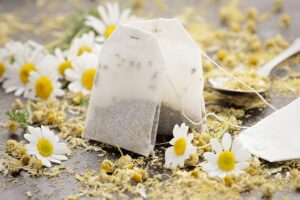
Chamomile is a gentle herb that has been used for centuries to calm the mind and body. It contains apigenin, a compound that binds to brain receptors to produce a sedative effect.
A 2016 clinical trial found that long-term chamomile use reduced anxiety symptoms in people with Generalized Anxiety Disorder (GAD).
How to enjoy chamomile tea:
- Let a chamomile tea bag soak in hot water for five minutes.
- Add honey or lemon for extra flavor
- Drink it 30 minutes before bedtime for best results
It’s safe, soothing, and caffeine-free.
10. Build a Healthy Routine and Support System
Finally, your daily habits and social support play a major role in your mental health.
Tips to create a calming daily routine:
- Go to bed and wake up at the same time daily.
- Eat meals at consistent times
- Schedule regular movement and quiet time
- Limit social media usage
- Keep a gratitude journal
- Stay connected to positive people
Talking with friends, family, or support groups can give you the strength to overcome anxiety and manage stress more effectively.
When to Seek Professional Help
While these natural strategies for anxiety relief work well for many people, sometimes anxiety becomes too overwhelming to handle alone.
You should reach out to a mental health professional if you:
- Feel anxious every day or most days
- Experience panic attacks
- Avoid places or people due to anxiety
- Have trouble sleeping, eating, or functioning
- Feel hopeless, fearful, or out of control
Therapies that help with anxiety:
- Cognitive Behavioral Therapy (CBT)
- Mindfulness-Based Cognitive Therapy (MBCT)
- Exposure Therapy
- Online therapy platforms
In some cases, medication such as antidepressants or anti-anxiety pills may be necessary, but they can be combined with natural approaches for holistic healing.
Conclusion
Healing from anxiety and stress doesn’t have to involve complex treatments. With small, consistent changes in your lifestyle—like better sleep, regular exercise, mindful eating, and relaxation techniques—you can take control of your mental health naturally.
Try out a few of these tips, and don’t be afraid to mix and match based on what works best for your body and mind.
Even one small change—like drinking chamomile tea at bedtime or taking a walk outside—can set the tone for greater peace and resilience. You deserve to feel calm, capable and balanced every day. Better still give my medical soundtrack Breath of God a go by reading all about its remarkable ability to gift the human brain the sound it needs to cure any mental illness. As it is a sickness affecting neurological cells.