
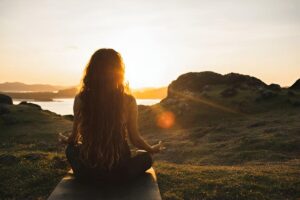
Spirituality is not just a concept tied to religious beliefs—it’s a deeply personal journey that helps individuals connect with their inner selves and the world around them. For those seeking personal growth, spirituality offers a powerful tool to cultivate inner peace, resilience, and a sense of purpose. The desire for calm and clarity has never been more relevant in an increasingly stressful world. This article explores how spirituality nurtures personal development and outlines practical steps to find and maintain inner peace.
What Is Spirituality?
Spirituality is the pursuit of connection—to ourselves, others, nature, or a higher power—that gives life depth and meaning. It’s not confined to any particular religion. Instead, it centers on values, beliefs, practices, and experiences that shape how we understand our place in the world.
Some key elements of spirituality include:
- A sense of purpose and meaning
- Inner peace and self-awareness
- Connection to others and nature
- Compassion, forgiveness, and gratitude
Spirituality influences how we handle stress, form relationships, and make decisions. In a world that often feels chaotic, spirituality provides a stable inner compass.
According to a 2021 Pew Research Center report, 22% of U.S. adults describe themselves as “spiritual but not religious,” showing a growing trend in exploring personal spirituality outside traditional religious institutions.
Understanding Personal Growth
Personal growth is the ongoing process of self-improvement in emotional, mental, and spiritual dimensions. It involves building resilience, enhancing self-awareness, and developing healthy habits and beliefs. Growth often begins with self-reflection and continues through learning, experience, and a desire to become a better version of oneself.
Some common goals of personal development include:
- Improving emotional intelligence
- Developing mindfulness and presence
- Healing past wounds or trauma
- Creating healthier relationships
- Building confidence and purpose
The Connection Between Spirituality and Personal Growth
Spirituality and personal growth are deeply interconnected. While personal growth focuses on becoming your best self, spirituality brings meaning and depth to that transformation. Here’s how they work together:
- Spirituality grounds personal growth by offering a foundation of values, beliefs, and practices.
- Growth enhances spiritual depth by encouraging self-awareness and mindful living.
- Together, they guide individuals toward authenticity, inner harmony, and peace.
According to the World Health Organization, “health” includes physical, mental, and spiritual well-being, not just the absence of illness. This reflects growing global recognition of spirituality’s role in holistic health.
Benefits of Spirituality for Inner Peace

Numerous studies support the link between spiritual practices and inner peace. These benefits span mental, emotional, and even physical well-being.
1. Reduced Stress and Anxiety
Practices such as prayer, meditation, or quiet contemplation can lower cortisol levels and reduce anxiety. According to the American Psychological Association (APA), mindfulness-based spiritual practices help calm the nervous system, lowering stress.
2. Improved Emotional Regulation
Spiritual growth often involves observing emotions non-judgmentally and responding with compassion. This increases emotional intelligence and reduces reactive behavior, promoting long-term peace.
3. Greater Resilience
Faith in a higher power or belief in a meaningful life can help individuals cope with loss, failure, or trauma. A study published in Psychology of Religion and Spirituality found that spiritual belief systems provide a strong coping framework during difficult times.
4. Enhanced Life Satisfaction
Those who pursue spiritual goals often report higher life satisfaction, even if they face external challenges. Connection to purpose and a sense of belonging can significantly boost well-being.
Spiritual Practices That Foster Personal Growth
Below are several practices that encourage both spirituality and personal growth, supported by research and centuries of tradition.
1. Meditation and Mindfulness
Meditation is one of the most widely practiced tools for inner peace. It trains the mind to stay present, reducing anxiety and increasing awareness.
Fact: A study from Harvard Medical School found that mindfulness meditation rebuilds gray matter in the brain, improving focus and emotional regulation.
Tip: Start with 5–10 minutes of guided meditation daily using apps like Headspace or Insight Timer.
2. Journaling and Reflection
Writing thoughts, prayers, or gratitude lists helps process emotions and deepen spiritual insight.
Fact: Keeping a gratitude journal has been shown to increase happiness by up to 25%, according to UC Davis psychologist Dr. Robert Emmons.
Tip: Every evening, write down three things you’re grateful for and reflect on moments of peace.
3. Nature and Solitude
Nature has a profound spiritual effect. Being in nature promotes a sense of wonder, grounding, and connection to life beyond oneself.
Fact: Research from Stanford University shows that walking in natural surroundings reduces negative thoughts and lowers depression risk.
Tip: Spend time in nature weekly—even 30 minutes in a park can restore peace and clarity.
4. Acts of Compassion and Service
Serving others creates a sense of purpose and spiritual fulfillment. Many spiritual traditions emphasize selfless service as a path to enlightenment.
Fact: Volunteering and altruistic behavior activate the brain’s reward centers, increasing feelings of joy and connection.
Tip: Find small ways to help others—donate, volunteer, or simply offer your time to someone in need.
5. Prayer and Sacred Rituals
Prayer doesn’t have to be religious. It can be a simple expression of intention, gratitude, or surrender.
Fact: A Baylor University study found that people who prayed regularly felt more empowered and less anxious.
Tip: Create a quiet space at home for prayer, lighting a candle, or playing peaceful music as part of your routine.
How to Begin Your Journey Toward Inner Peace

You don’t need to completely change your life to start experiencing inner peace. Simple shifts in daily behavior and mindset can create profound change over time.
1. Identify Your Spiritual Values
Ask yourself:
- What brings me meaning?
- What do I believe about life’s purpose?
- What connects me to something greater?
Clarifying your values helps guide your daily choices and align your actions with the inner truth.
2. Create a Morning or Evening Ritual
Structure brings consistency to your spiritual and personal growth practices. Your ritual might include:
- 5 minutes of silence or breathwork
- Reading a spiritual text or quote
- Writing an intention or prayer
3. Embrace Stillness
Inner peace doesn’t come from constant action—it comes from stillness. Make room in your schedule to simply be without distractions.
“Almost everything will work again if you unplug it for a few minutes… including you.” – Anne Lamott
4. Practice Forgiveness
Holding on to anger or resentment keeps you stuck in emotional turmoil. Letting go through forgiveness is essential for spiritual liberation. Forgiveness has been shown to improve heart health, reduce depression, and increase self-esteem.
Tip: Write a letter of forgiveness (you don’t have to send it). Acknowledge the pain and release the weight.
Common Challenges on the Path
Growth is not always smooth. Many people face resistance or confusion when starting a spiritual journey. Here’s how to navigate common challenges:
1. Doubt and Uncertainty
Spirituality is deeply personal. It’s okay to question your beliefs. Use doubt as a tool for deeper understanding rather than a reason to quit.
2. Fear of Change
Growth often means letting go of past habits, roles, or identities. This can feel scary. Remind yourself that discomfort is a sign of transformation.
3. Comparing Your Journey
Everyone’s path is different. Avoid comparing your spirituality to others. Stay focused on your own progress and experiences.
The Science Behind Inner Peace
Inner peace isn’t just a feeling—it’s a measurable state of well-being.
- Brainwaves: Meditation increases alpha and theta brainwaves associated with deep relaxation.
- Heart Rate Variability (HRV): High HRV, often seen in spiritual individuals, reflects better emotional regulation.
- Immune Function: Positive spiritual outlooks correlate with improved immunity and lower inflammation markers
Final Thoughts: The Journey to Inner Peace
Spirituality is not about perfection—it’s about progress. It’s the daily effort to live with intention, love without conditions, and face life’s ups and downs with a steady heart.
In a world filled with external chaos, spirituality guides us inward—to where peace, joy, and purpose already live. Whether you follow a faith, explore mindfulness, or simply seek a deeper connection with life, spirituality can be the compass that leads you home—to yourself.
Better still give my medical soundtrack Breath of God a go by reading all about its remarkable ability to enhance your psychology and quality of life by quickening your relationship with your subconscious mind which is the home within you of the Holy Ghost who will guide you to prosperity when you meditate repeating in your mind the words Wealth, OM, Success especially prior to sleep.