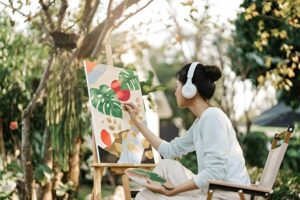
Mental health problems like depression, anxiety, and PTSD affect millions of people around the world. The World Health Organization says more than 280 million people live with depression, and over 301 million have anxiety disorders. As these problems become more common, people are looking for better ways to heal. One helpful method that’s getting more attention is art therapy.
Art therapy is a mix of talking about your feelings and using art to express them. It gives people a way to heal without using only words. Activities like painting, drawing, sculpting, or making collages help people creatively show their emotions. This article will explore the role of art therapy in healing mental health, its benefits, and scientific support of how it’s changing lives.
What Is Art Therapy?
Art therapy is a mental health treatment that uses the creative process to help individuals explore emotions, develop self-awareness, cope with stress, and boost self-esteem. It’s facilitated by a licensed art therapist, who guides individuals or groups through artistic exercises while encouraging open reflection.
Art therapy is used with children, adolescents, adults, and the elderly. You don’t need to be an artist to benefit—the goal isn’t to create a masterpiece but to tap into emotions and thoughts that may be difficult to express through words alone.
According to the American Art Therapy Association, art therapy is used in various settings, including hospitals, schools, rehabilitation centers, private therapy, and correctional facilities. It addresses issues like:
- Depression
- Anxiety
- PTSD
- Substance abuse
- Eating disorders
- Chronic illness
- Grief and loss
- Trauma
How Art Therapy Supports Mental Health
Art therapy provides a unique and powerful outlet for emotional expression and mental healing. Here’s how it helps:
1. Emotional Release and Expression
Many people with mental health conditions find it hard to talk about their feelings. Art allows individuals to express complex, often repressed emotions in a safe and creative way. By drawing or painting what they feel, clients can start to process trauma, grief, or anxiety in a non-threatening environment.
Fact: A study found that participants who engaged in art-making for just 45 minutes experienced significantly lower cortisol levels, indicating reduced stress.
2. Self-Discovery and Insight
The art-making process encourages introspection. People often uncover hidden emotions or memories while working on art projects. This enhances self-awareness and can help individuals make sense of their mental health struggles.
3. Building Resilience
Engaging in creative activities fosters resilience. Art therapy teaches clients how to cope with adversity by using creativity as a problem-solving tool. It strengthens emotional flexibility and encourages perseverance.
4. Improved Communication
For individuals who struggle with verbal expression—such as children, trauma survivors, or those with autism—art becomes a bridge for communication. It enables therapists to understand their clients better and for clients to share their stories more safely.
5. Mindfulness and Relaxation
Creating art promotes a meditative state of mind. The repetitive and immersive nature of drawing or painting can help calm anxiety, similar to mindfulness practices like meditation or yoga.
Scientific Evidence Supporting Art Therapy
While some critics argue that art therapy is too abstract or subjective, scientific studies increasingly support its effectiveness.
Depression and Anxiety
A study evaluated that 40 individuals with moderate to severe depression who underwent 12 sessions of art therapy. Results showed significant improvement in mood, motivation, and overall mental health.
Another 2021 systematic review in Frontiers in Psychology revealed that art therapy reduces emotional regulation and anxiety in children and adults.
PTSD and Trauma
Art therapy is frequently used to treat individuals with Post-Traumatic Stress Disorder (PTSD), including veterans and abuse survivors. The non-verbal nature of art allows trauma survivors to express painful memories that are otherwise difficult to articulate.
Fact: Research from the National Institutes of Health (NIH) found that art therapy helped reduce PTSD symptoms in military veterans after only eight sessions.
Cognitive Function and Memory
Art therapy has also shown promise in improving cognitive function in individuals with dementia or brain injuries. The creative process helps stimulate memory, focus, and emotional recognition.
Types of Art Therapy Techniques
Art therapy encompasses various activities, each tailored to a client’s age, preferences, and therapeutic goals. Common techniques include:
- Drawing & Painting – for expressing emotions and creating visual narratives.
- Collage – used to explore identity, life events, or future goals.
- Clay Sculpting – helpful in trauma recovery, offering a tactile way to shape and reshape feelings.
- Mandala Art – used for meditation, grounding, and anxiety reduction.
- Art Journaling – combines words and images to process daily experiences and emotions.
Challenges and Limitations of Art Therapy
While art therapy is highly beneficial, it is not without challenges:
- Misconceptions: Many people assume it’s only for children or artists. In reality, anyone can benefit.
- Access: The availability of licensed art therapists can be limited in rural or low-income areas.
- Research Gaps: Though growing, more long-term studies are needed to validate its full effectiveness.
- Insurance Coverage: Not all health insurance providers cover art therapy sessions.
Despite these hurdles, organizations and practitioners are working hard to expand access and awareness, integrating art therapy into hospitals, schools, and community centers.
How to Get Started with Art Therapy
If you or a loved one is dealing with mental health issues and is interested in trying art therapy, here are the steps to get started:
- Find a Licensed Art Therapist: Look for certified professionals through the Art Therapy Credentials Board (ATCB) or the American Art Therapy Association.
- Start at Home: While clinical sessions are ideal, even simple art activities at home can be healing. Set aside time to paint, draw, or collage without judgment.
- Join Community Programs: Many community centers and non-profits offer group art therapy or creative workshops, often at low or no cost.
- Combine with Other Therapies: Art therapy is most effective when integrated with talk therapy, medication, or mindfulness practices as part of a comprehensive treatment plan.
Conclusion
Art therapy is more than just painting or coloring. It’s a way to heal through creativity. It helps people feel better by letting them express their emotions, reduce stress, and build strength. Art therapy also helps people feel more connected to themselves and others. As more people understand the importance of mental health, creative therapies like art therapy should be used more in treatment. With more research and real stories of people feeling better, art therapy is becoming a strong and helpful tool for dealing with depression, anxiety, PTSD, and other mental health problems.
Investing in creativity is investing in healing—and in today’s world, that’s more important than ever.
Explore the Marc Ferguson website for free guides, support resources, and mental health tips that help you live a happier, more balanced life. Read all about my Breath of God medical soundtrack which will take you out of yourself and gift you an amazing self-confidence and free your mind of any sickness by healing both your biological and your neurological cells.