
Depression is a severe mental health disorder impacting millions across the globe. The World Health Organization (WHO) reports that over 280 million people worldwide are affected by depression. It’s more than just feeling sad—it can affect how a person thinks, feels, and behaves in daily life. But the good news is that depression is treatable, and science has made great progress in understanding what works best. This article will explore the science behind depression treatment, including medications, therapy, lifestyle changes, and new treatments.
What Is Depression?
Depression, also known as major depressive disorder (MDD), is a mental health condition that affects how you feel, think, and act. It can lead to a variety of emotional and physical problems and reduce your ability to function at work and at home.
Common Symptoms of Depression
- Persistent sadness or low mood
- Loss of interest in activities once enjoyed
- Changes in appetite or weight
- Trouble sleeping or sleeping too much
- Fatigue or low energy
- Difficulty concentrating
- Feelings of guilt or worthlessness
- Thoughts of death or suicide
Why Understanding Treatment Matters
Depression is treatable, but what works for one person may not work for another. Treatments are often more effective when tailored to the individual. Understanding the science behind each treatment option helps people make informed decisions about their care.
1. Medication: Antidepressants
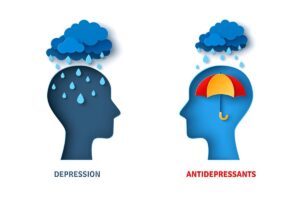
Antidepressants are widely used to treat depression. These medications work by affecting neurotransmitters in the brain, like serotonin, norepinephrine, and dopamine.
Types of Antidepressants
- SSRIs (Selective Serotonin Reuptake Inhibitors) – Examples: Prozac, Zoloft, Lexapro
- SNRIs (Serotonin-Norepinephrine Reuptake Inhibitors) – Examples: Effexor, Cymbalta
- TCAs (Tricyclic Antidepressants) – Older drugs, often used when others fail
- MAOIs (Monoamine Oxidase Inhibitors) – Less common due to dietary restrictions
How They Work: Antidepressants increase the availability of mood-regulating chemicals in the brain. SSRIs, for example, block the reabsorption (reuptake) of serotonin, making it more available in the brain.
Scientific Evidence: SSRIs are effective for moderate to severe depression, according to meta-analyses of over 500 trials. It may take 2–6 weeks for medications to take full effect. Side effects vary but often lessen over time.
Key Fact: About 60-70% of people with depression see improvement with the right antidepressant.
2. Psychotherapy: Talking Helps
Psychotherapy, or talk therapy, is another proven method for treating depression. It helps people identify negative thought patterns and develop healthier ways to cope.
Popular Types of Therapy
- Cognitive Behavioral Therapy (CBT): Works by altering negative thoughts and behaviors.
- Interpersonal Therapy (IPT): Focuses on relationship issues.
- Psychodynamic Therapy: Explores unconscious patterns from the past.
- Behavioral Activation: Encourages engaging in activities that bring joy.
How It Works: Therapy helps rewire the brain’s thinking patterns and reduce the emotional response to stress. CBT, for example, trains the brain to recognize irrational or harmful thoughts and replace them with more balanced ones.
Scientific Evidence: Studies show CBT is as effective as medication for many people with mild to moderate depression. CBT also reduces the risk of relapse by up to 50% compared to those who only take medication. Combining therapy with medication is more effective than either alone for many people.
Key Fact: According to the American Psychological Association, 75% of people who enter psychotherapy show some benefit.
3. Lifestyle Changes: Daily Habits That Matter
Science supports the idea that lifestyle changes can improve depression symptoms. These changes can be powerful alone or used alongside other treatments.
Exercise
- Exercise boosts endorphins, the brain’s feel-good chemicals.
- 30 minutes of moderate exercise 3–5 times per week is often recommended.
- A study found that exercise is as effective as antidepressants in some cases.
Diet
- Diets rich in fruits, vegetables, whole grains, lean protein, and omega-3 fatty acids may reduce depression.
- Avoiding processed foods and sugar can help improve mood stability.
Sleep
- Poor sleep plays a dual role as both a symptom and a trigger for depression.
- Creating a regular sleep schedule and good sleep hygiene can improve mental health.
Social Support
- Isolation increases the risk of depression.
- Staying connected with family and friends, even through small interactions, can lift mood.
Mindfulness and Meditation
- Mindfulness-based cognitive therapy (MBCT) is a form of therapy that uses meditation.
- Studies show it reduces the risk of depression relapse by 43%.
Key Fact: People who make consistent lifestyle changes see significant mood improvement within weeks.
4. Brain Stimulation Therapies
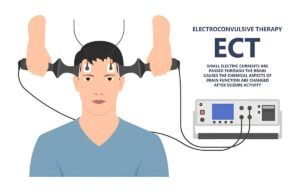
When traditional treatments don’t work, brain stimulation therapies may be an option. These involve using electrical or magnetic stimulation to activate certain parts of the brain.
Types of Brain Stimulation
- ECT (Electroconvulsive Therapy): A controlled seizure is induced under anesthesia. It’s used for severe, treatment-resistant depression.
- TMS (Transcranial Magnetic Stimulation): Uses magnetic fields to stimulate brain nerve cells.
- Vagus Nerve Stimulation (VNS): A device implanted in the chest sends signals to the brain through the vagus nerve.
Scientific Evidence: ECT has an 80% success rate for people with severe depression who don’t respond to other treatments. TMS is FDA-approved and has shown effectiveness for people who haven’t found relief with medication.
Key Fact: TMS and ECT are not first-line treatments, but they can be life-changing for people with resistant depression.
5. Emerging Treatments: New Hope on the Horizon
Science is constantly evolving, and new depression treatments are being studied and approved.
Ketamine Therapy
- Ketamine, originally an anesthetic, is now used for treatment-resistant depression.
- It works quickly—often within hours—by targeting the glutamate system in the brain.
- FDA has approved esketamine (Spravato), a nasal spray version, for severe depression.
Psychedelic Therapy
- Psilocybin, found in magic mushrooms, is showing promise in clinical trials.
- Early studies show long-lasting effects after just 1-2 doses when used in a controlled therapeutic setting.
Digital Mental Health Tools
- Mobile apps and online platforms now offer therapy and mood tracking.
- AI-powered chatbots can provide basic support and CBT techniques.
Key Fact: Over 100 clinical trials are underway exploring psychedelics and rapid-acting antidepressants.
6. Holistic and Complementary Treatments
Some people find relief in alternative or complementary therapies. While not a replacement for medical care, these options can support overall well-being.
Options Include:
- Acupuncture
- Yoga and breathing exercises
- Herbal supplements (St. John’s Wort, SAMe – use with caution)
- Aromatherapy
Scientific Evidence: Limited but growing evidence supports the use of some alternative treatments. Always consult a doctor before using herbal remedies, especially with medications.
7. Personalized Treatment: What Works Best Depends on You
One of the biggest lessons from modern science is that depression is not one-size-fits-all. Each person responds differently to treatment, depending on:
- Genetics
- Severity of symptoms
- Life circumstances
- Personal preferences
- Coexisting conditions (like anxiety or chronic pain)
The Rise of Precision Psychiatry: Researchers are now using genetic testing, brain imaging, and AI to predict which treatments might work best for individuals. This could lead to more personalized and faster-acting treatment plans.
When to Seek Help
If you’re experiencing symptoms of depression that last longer than two weeks, it’s time to talk to a doctor or mental health professional. Early treatment leads to better outcomes.
If you or someone you know is in immediate danger or having suicidal thoughts, call a local emergency number or a mental health crisis line. In the U.S., you can call or text 988 to reach the Suicide & Crisis Lifeline.
Summary: What Works Best for Depression?
| Treatment Type | Best For | Scientific Effectiveness |
| Antidepressants | Moderate to severe depression | 60-70% improvement with proper medication |
| Psychotherapy | Mild to moderate depression; combined treatment | CBT reduces relapse by 50% |
| Lifestyle Changes | Supporting overall health | Comparable to meds in some studies |
| Brain Stimulation | Treatment-resistant depression | ECT up to 80% success rate |
| Emerging Therapies | Fast relief, severe cases | Ketamine works in hours |
| Complementary Therapies | Holistic support | Varies by individual |
Final Thoughts
The science behind depression treatment is stronger than ever. Whether through medications, therapy, lifestyle changes, or advanced techniques like brain stimulation, there is hope. The key is to find the right combination that works best for you.
Depression is not a weakness—it’s a real condition that deserves compassion, care, and proper treatment. With support, knowledge, and the right tools, healing is possible.
Ready to Take the First Step Toward Healing? If you or someone you love is struggling with depression, don’t wait to get help. There are effective treatments available—and recovery is possible. Talk to a healthcare provider, reach out to a therapist, or connect with a support group today.
You are not alone, and with the right support, brighter days are ahead. Better still give my medical soundtrack Breath of God a go by reading all about its remarkable ability to gift the human brain the sound it needs to cure any mental illness. As it is a sickness affecting neurological cells.